
Fall is the right time to get your raised beds prepared for the winter season ahead. Here are simple steps you should take for a great fall and spring garden!
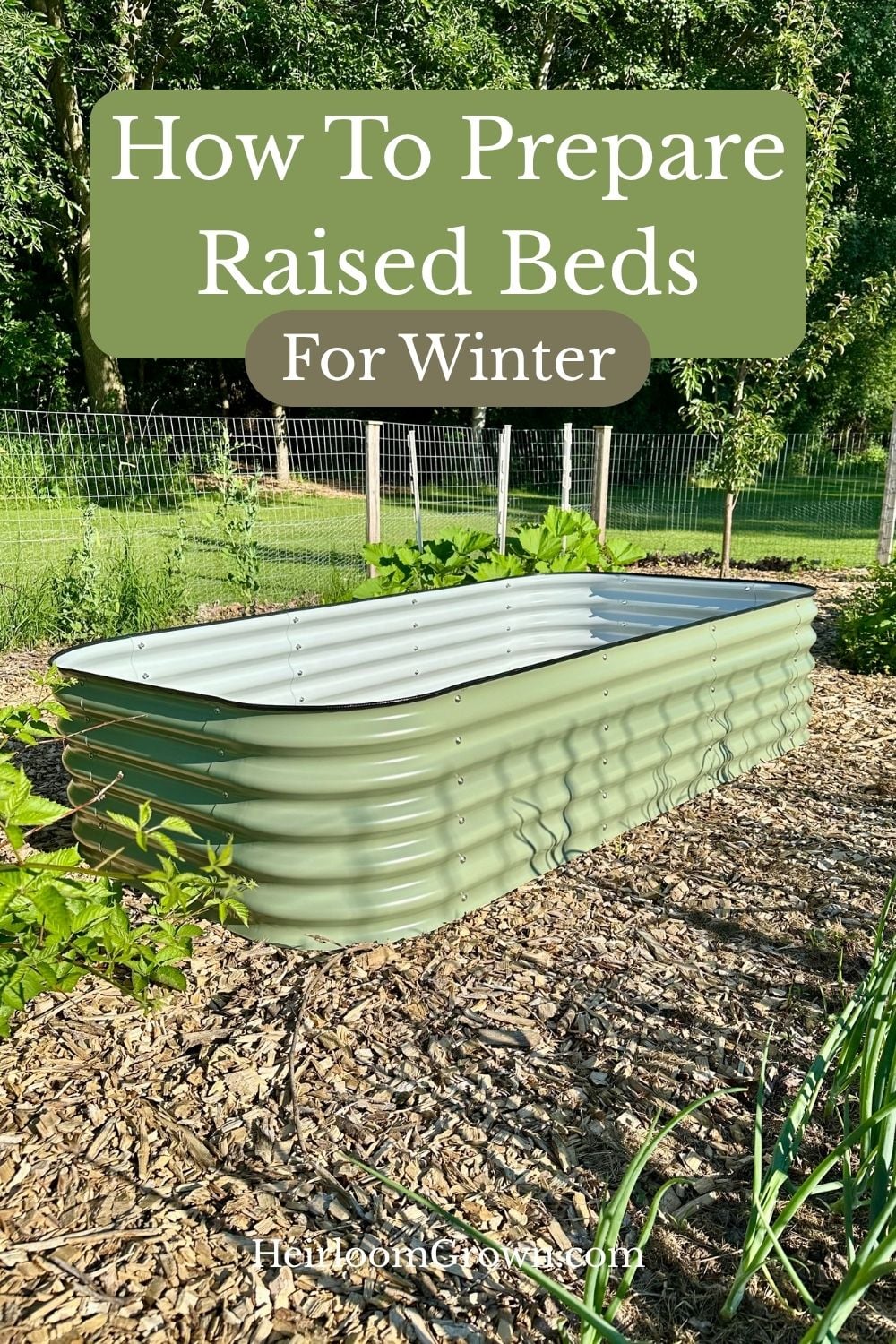
The air is crisp, leaves are falling, and your garden needs some work!
Fall is always the perfect time to get a garden ready for the next growing season. You can even sneak in a few more plants before the weather really turns cold.
Raised bed gardens need some special care during the fall months. If you follow the below steps you can.
- Extend your growing season
- Nourish your soil
- Extend the life of your raised beds
- Prepare for a great spring garden
Clean out plants and Weeds
All those summer plants that are past their prime need to be cleaned out, especially the diseased ones.
Cut off plants at their base as the roots will compost in the bed. The plants can be composted (if they are healthy) or disposed of (if they are diseased).
Once you have all the plants removed from your beds, make sure to pull any weeds you see.
Raised beds are great because of the low weed pressure, but a few will occasionally pop up.
Refresh raised bed soil
Ammending your raised beds is essential after the summer season. Many plants deplete the soil nutrients, but a little effort can replenish them.
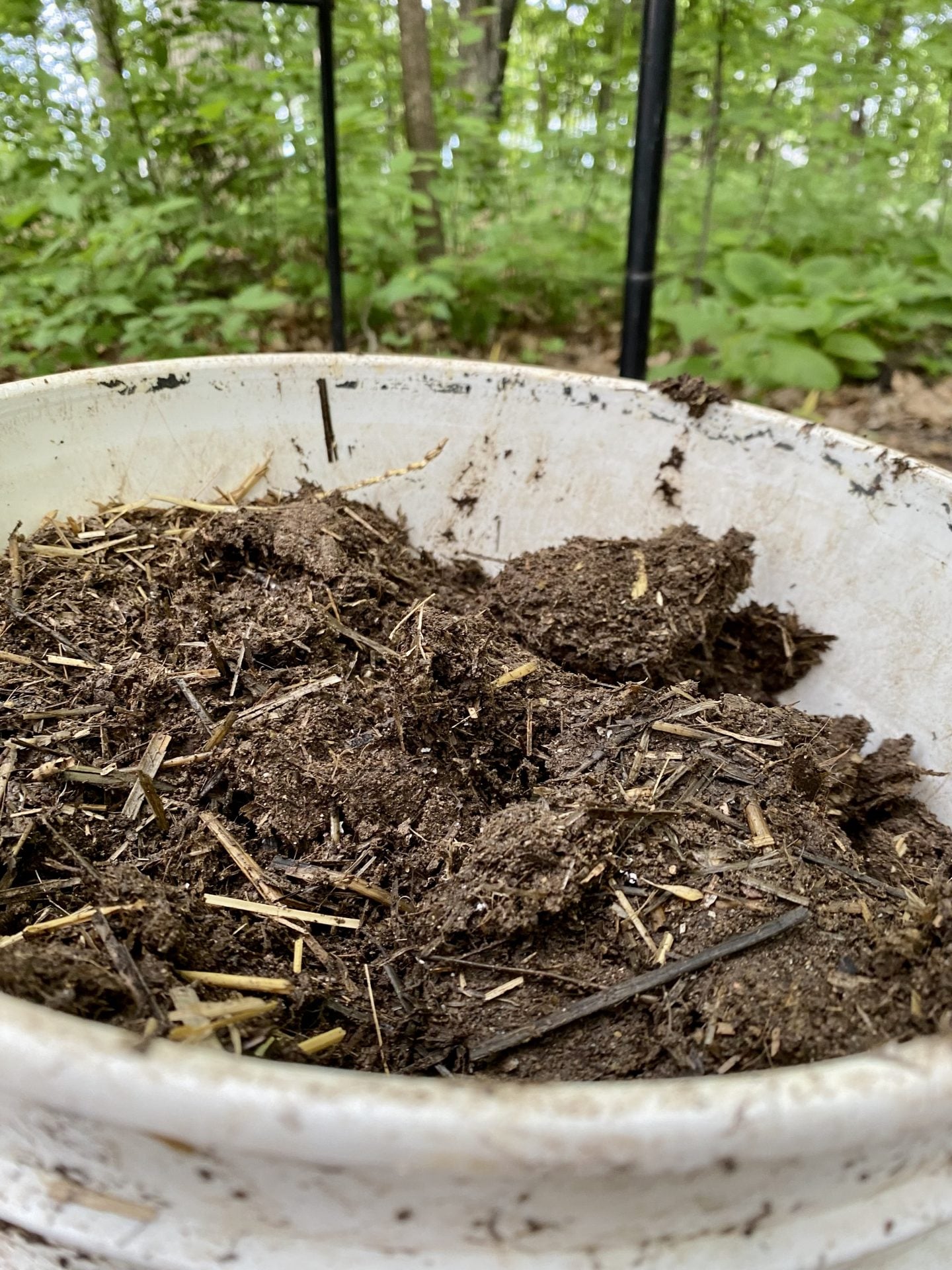
Most raised beds will settle a little every year, this is great as it gives you enough room to ammend the soil with compost, manure, or organic fertilizer.
If you ammend with manure, ensure the manure is aged for atleast 8 weeks before application, or before planting in that bed.
A great option is adding a thick layer of compost to your raised bed. This will slowly water into the soil below while it replinishes; nutrients, microbes, and organic material.
Add mulch for insulation
Adding a layer of grass clippings, leaves, or other mulch is the one thing all raised bed gardeners should do!
The mulch will prevent moisture evaporation, weeds, encourage earth worms, and insulate the soil during winter's harsh temperatures.
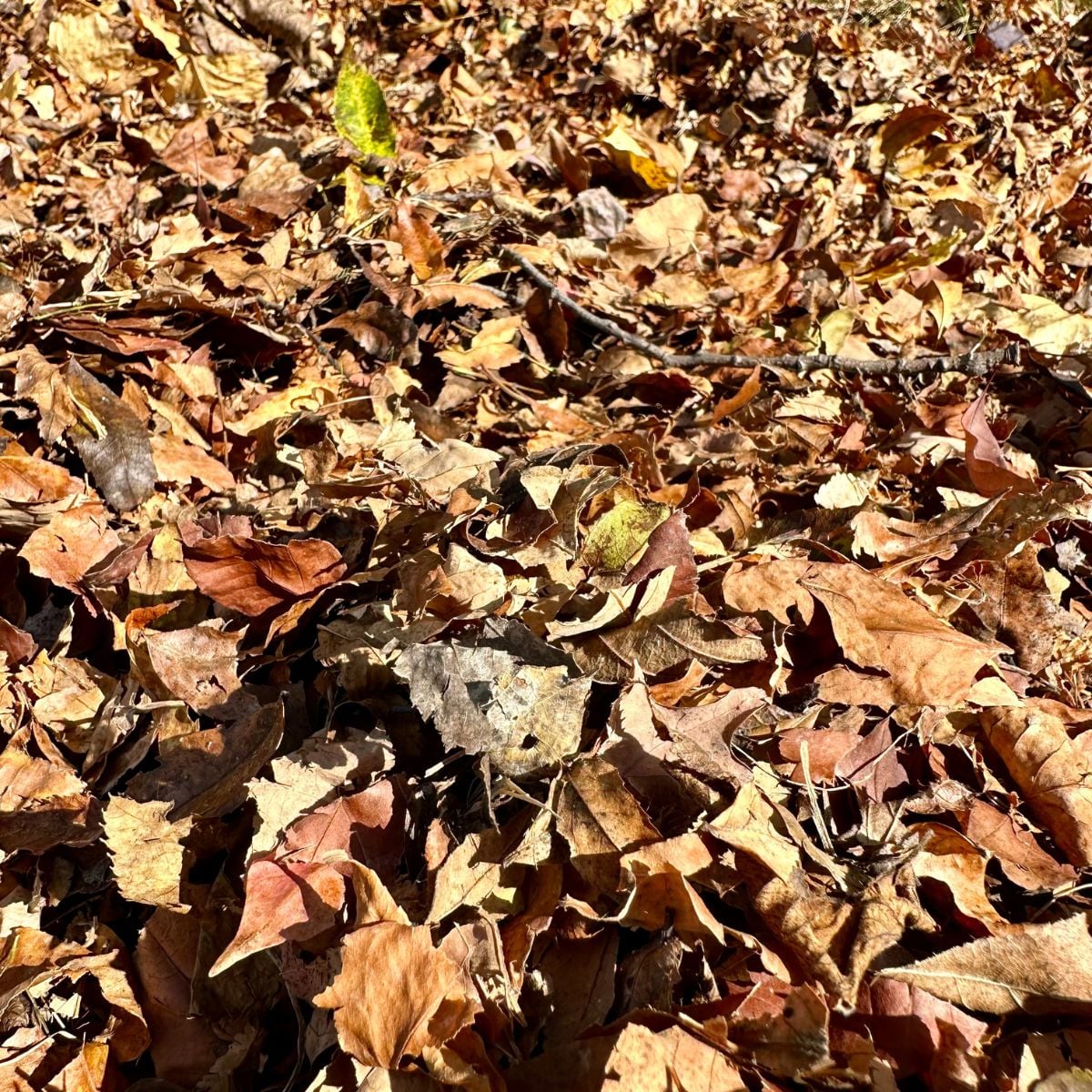
Leaves naturally fall this time of year, so just add a thick layer on top of each garden bed!
Earth worm Tips!
Earthworms, increase soil fertility, oxygenation, and structure. Yet, these garden workers are often neglected by gardeners. But don't worry!
There is a perfect tool to attract and feed these worms
directly
in
your
raised
beds 🙌
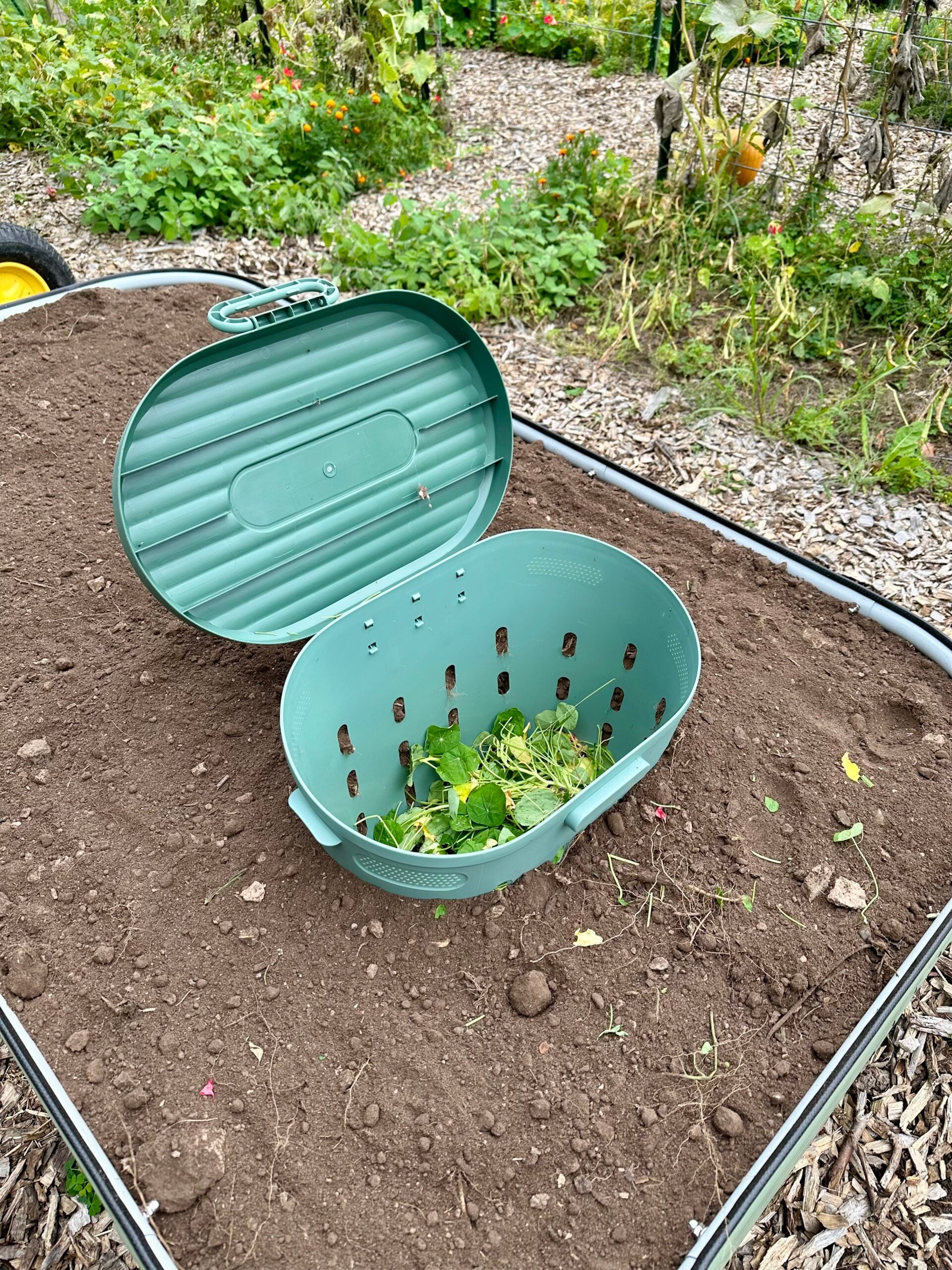
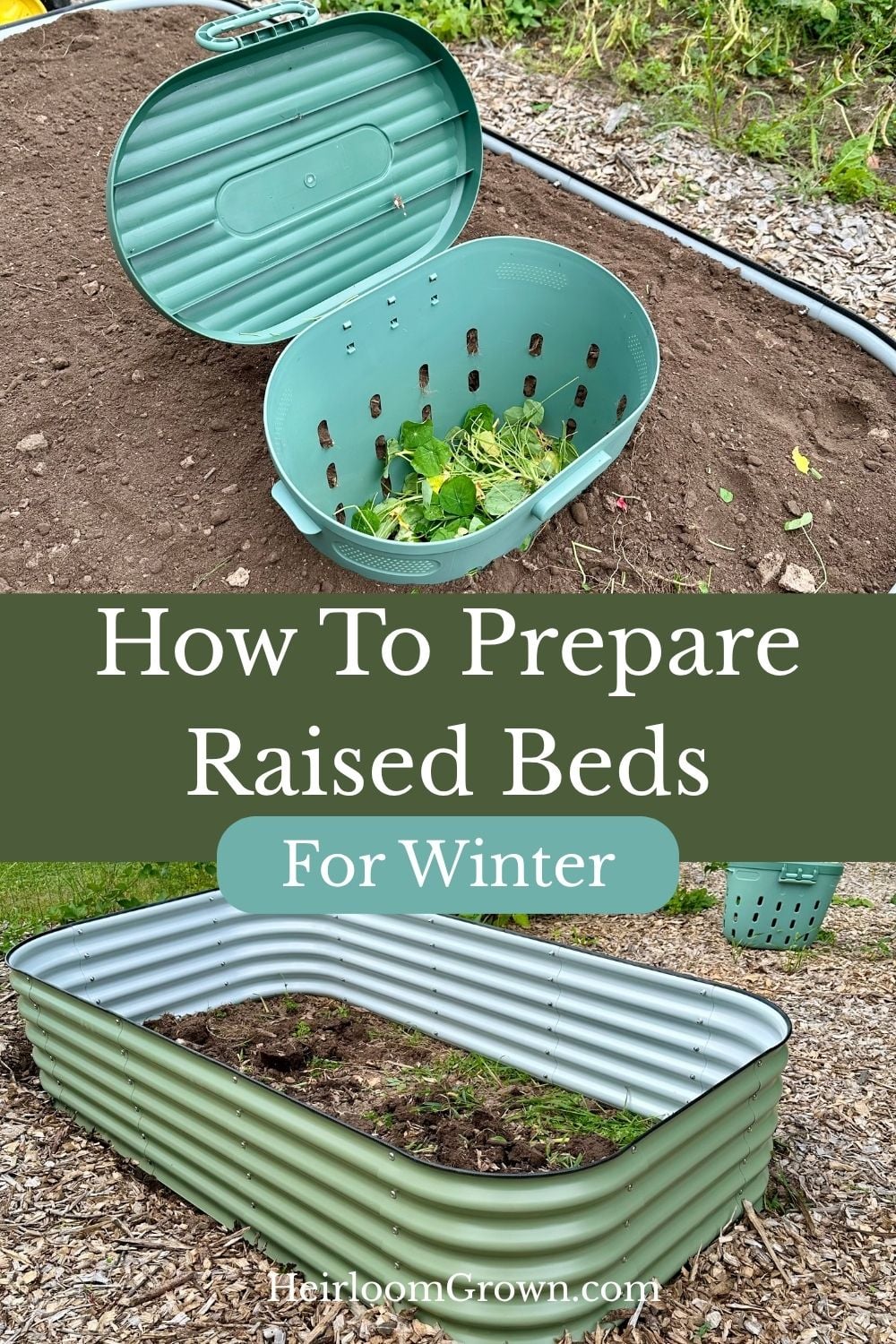
The Vego In-Bed Worm Composter allows you to discard vegetable scraps and plant material into your raised bed. The worms can then wiggle their way into the composter and eat the materials.
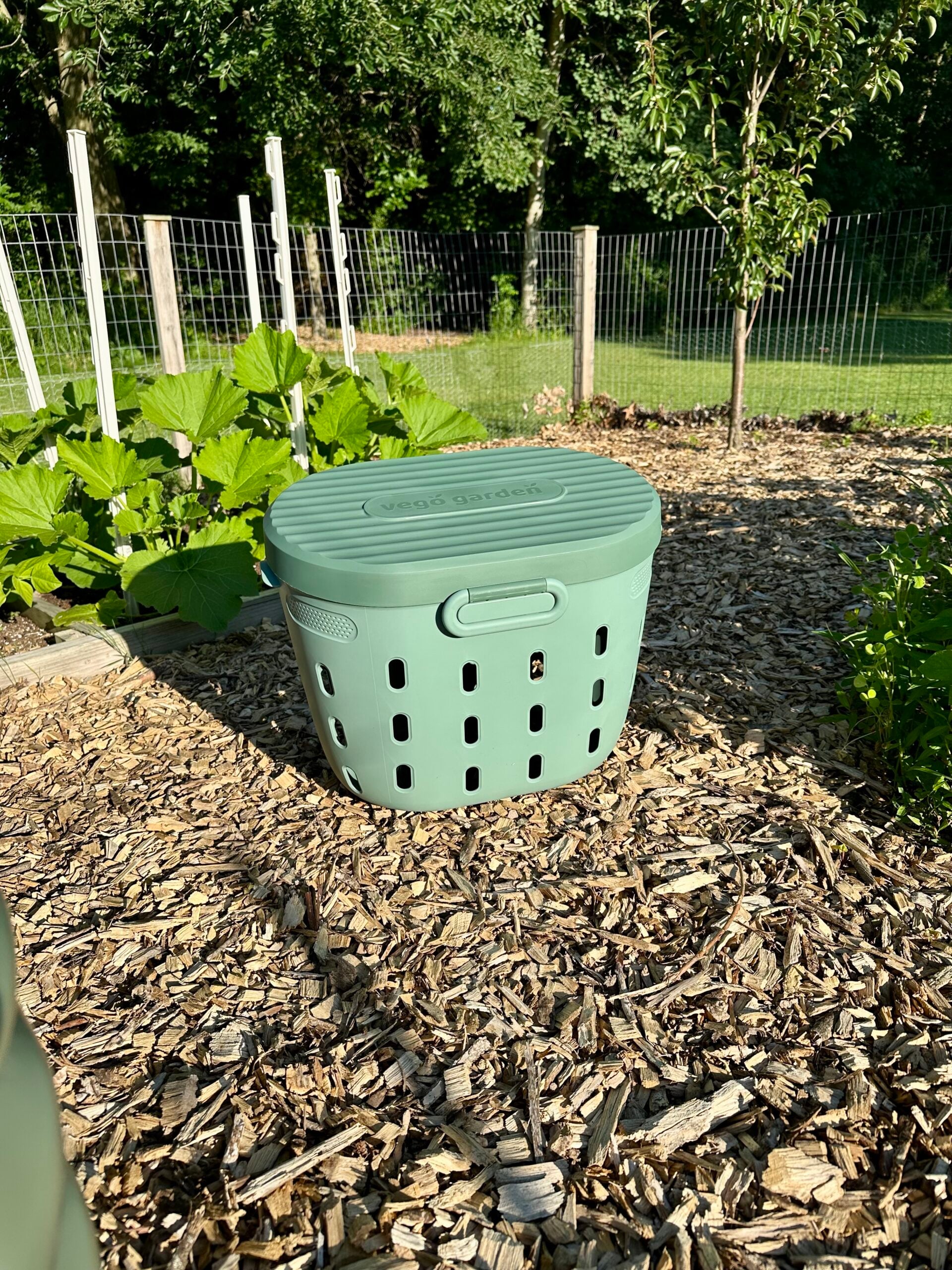
This is the ultimate win-win for your worms and plants. Simply bury this composter in your garden and add plant material! You can get $10 OFF when you use code: Heirloomgrown10
Add Raised beds for spring planting
Fall is also the perfect time to add a raised bed to your garden! You can fill the bed this fall and start growing now, or when spring rolls around.
Vego offers a great selection of raised beds! They are sturdy, look great, and are easy to assemble.
Here is how I set up my recent bed right before the fall season.
Assembling a vego raised bed
Vego raised beds are easy to assemble, and you can configure them to fit your needs. I chose to configure mine as a rectangular bed to best fit my garden.
The panels are fastened together piece by piece with hardware and a rubber edge is slid on the bare metal edge to shield any sharp metal.
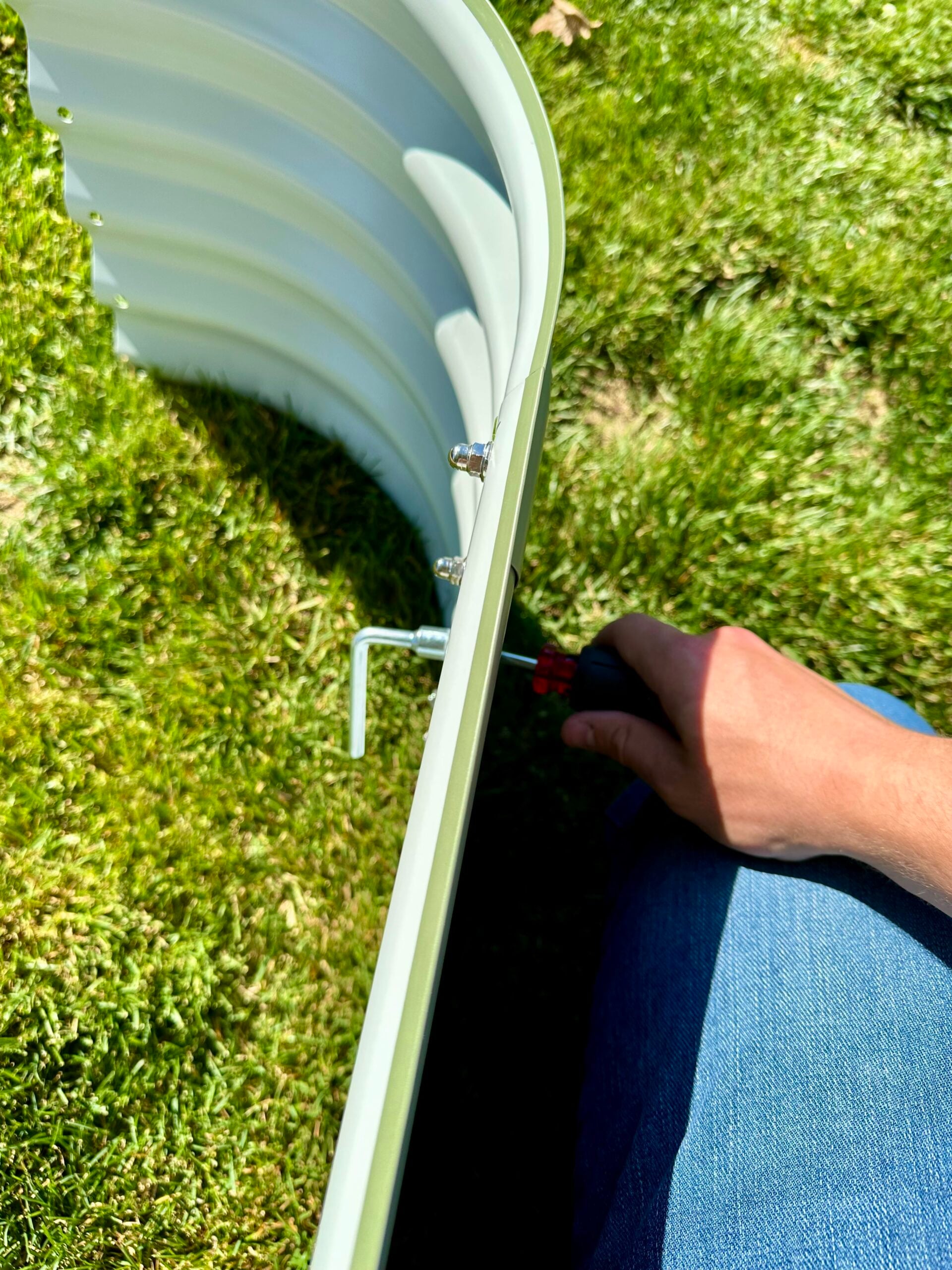
Each Vego raised bed can be configured to best fit your existing garden space, or you can plan a whole new garden!
Where to place a raised bed
If you have an existing garden, simply replace one of you in-ground beds with a raised bed!
I currently have a garden with mulched paths and in-ground beds . I simply harvested the onions in my one bed and replaced it with the Vego Raised Bed.
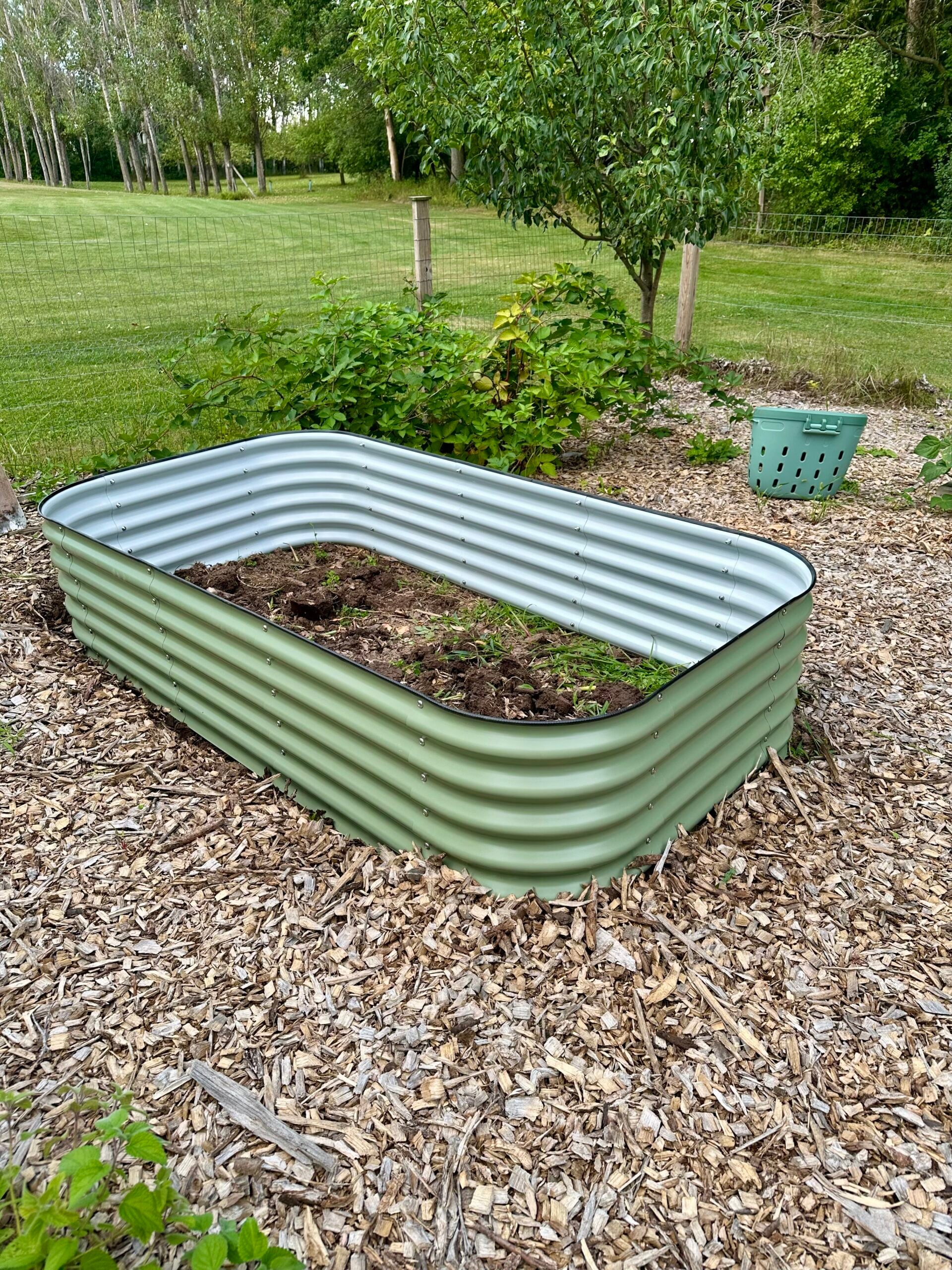
If you need more garden planning ideas, read this post.
Leveling a raised bed
Make sure to level your raised bed. Our garden is on a slight slope, so I had to dig out one side of the bed to get it level.
Leveling the bed will prevent water run off, or erosion during heavy rain fall. I also think the leveled beds look quite sharp!
How to fill a raised bed
Another reason to start your raised bed garden during the fall season, is the availablity of plant material!
Raised beds don't have to be solely filled with soil. You can add logs, sticks, green and brown plants, leaves, grass clippings, and much more!
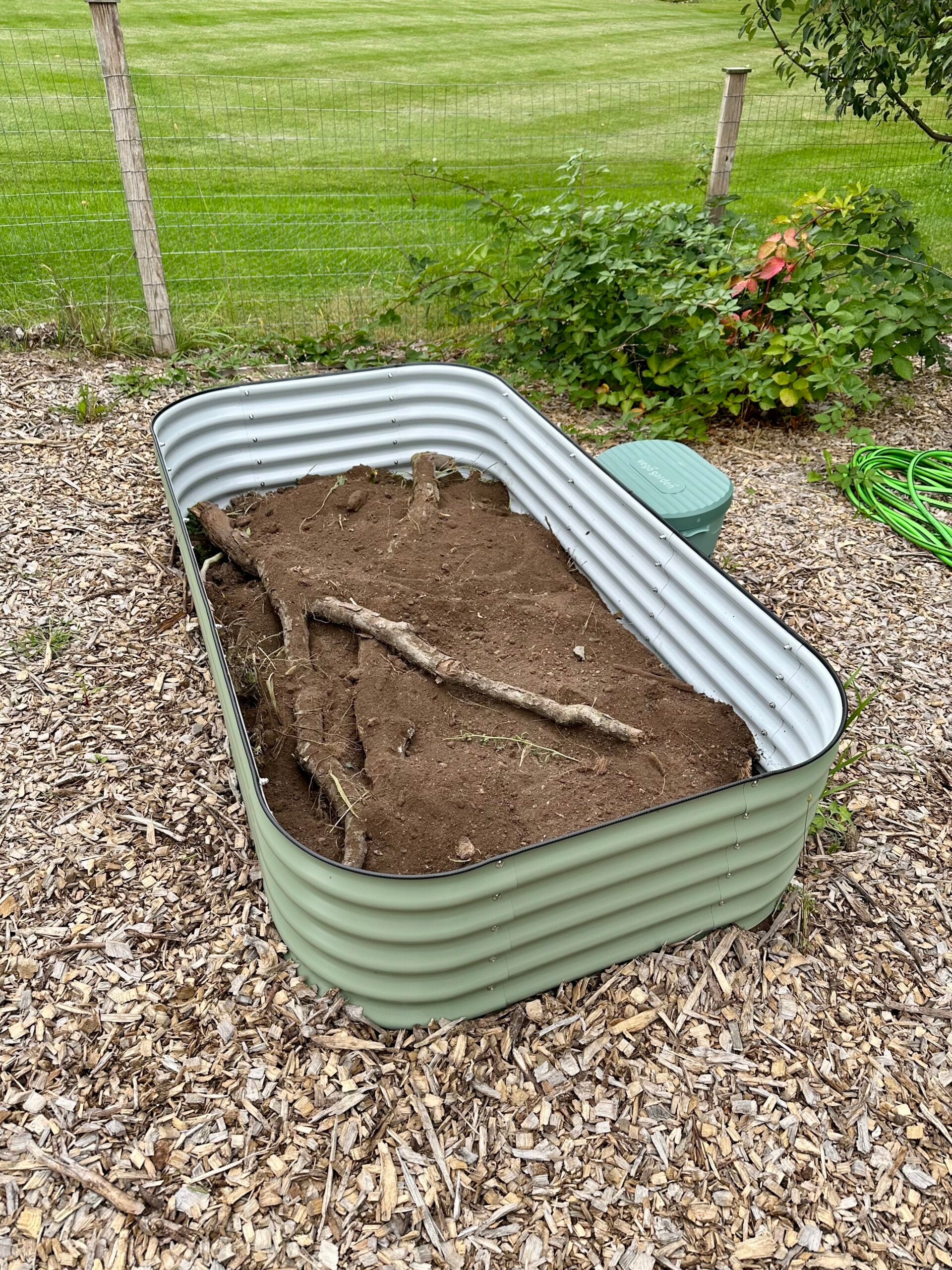
The first layer should consist of any logs or sticks you want in your beds, followed by green plants, and then you can add layers of mulch, compost, and top soil to your bed.
I will top my bed off with a nice layer of either compost or top soil as this will create the best seed bed.
Get a Raised Bed
Raised beds are a great addition to any garden. They can dress it up, offer better accesibility, and make your garden more enjoyable.
Use my code: Heirloomgrown10 at Vego to get $10 off your next raised bed!
Pin This!


Leave a Reply