
Kohlrabi (AKA Turnip Cabbage) has been grown in home gardens since the 16th century AD. Here is how you can grow and eat this ancient vegetable.
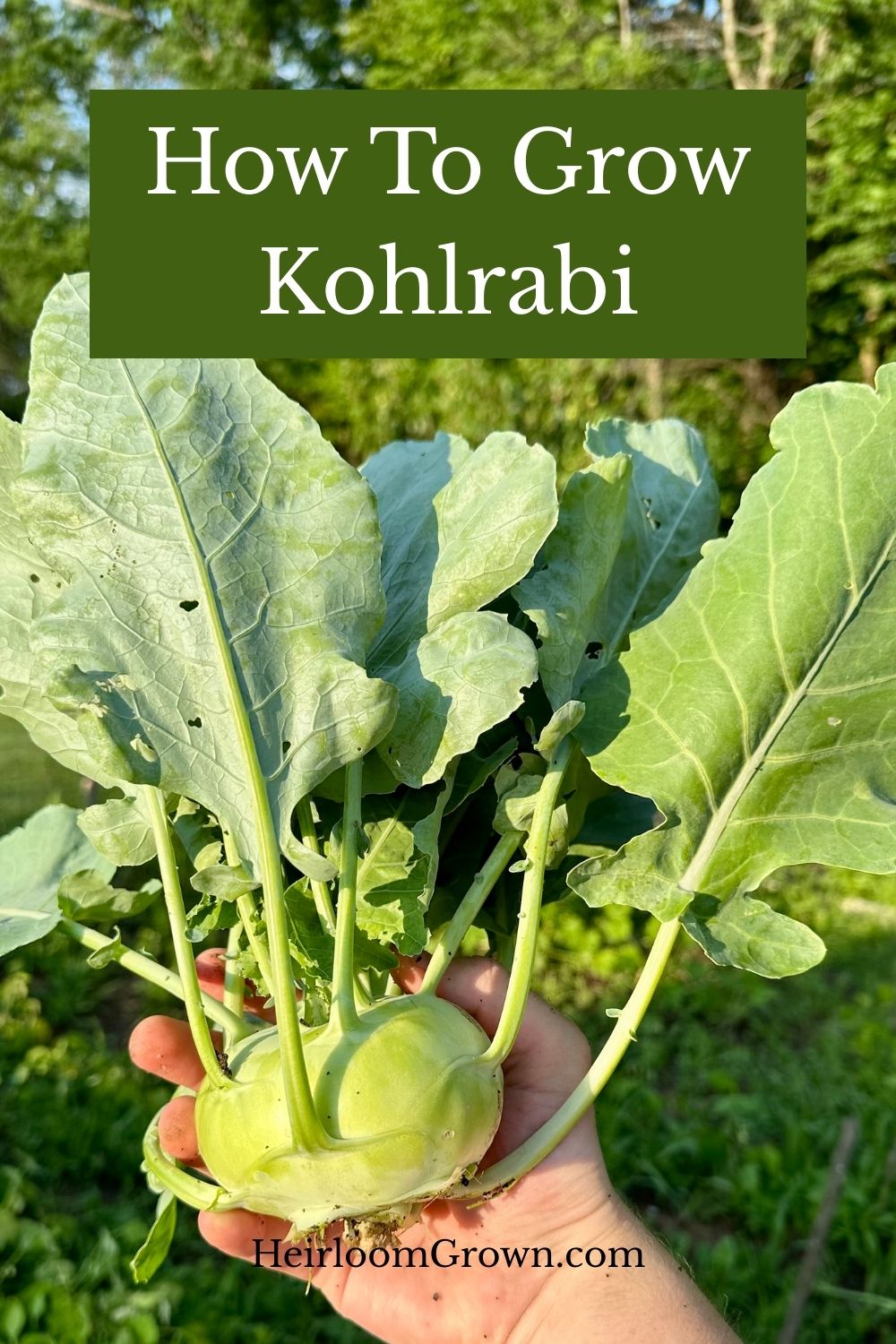
Kohlrabi is well known among home gardeners. This unique vegetable is very rare to find in supermarkets, and is sometimes viewed as a specialty item.
If you talk to an older garden, nine times out of ten, they grow their own kohlrabi.
What is Kohlrabi
Kohlrabi is a German word that literally translates cabbage turnip. This plant is in the same family as broccoli, cabbage, cauliflower, and collards.
The kohlrabi plant was selected for its stems that swell into the size of an apple. These apple sized stems are then cooked or eaten raw and I think they taste like cabbage.
Kohlrabi is cold hardy and has been grown for centuries during the fall and spring time. This makes it the perfect food for early and late season gardens.
Heirloom Kohlrabi Varieties
Kohlrabi comes in two main types, purple and green. Here are some of my favorite varieties.
Delicacy White
These kohlrabi plants have the perfect stems! They grow to the size of an apple and are not woody. This is the epitome of kohlrabi.
Purple Vienna
This is a pre- 1860 heirloom variety of kohlrabi. The bulbs are a little small on this variety, but is is a vibrant purple color.
Planting Kohlrabi
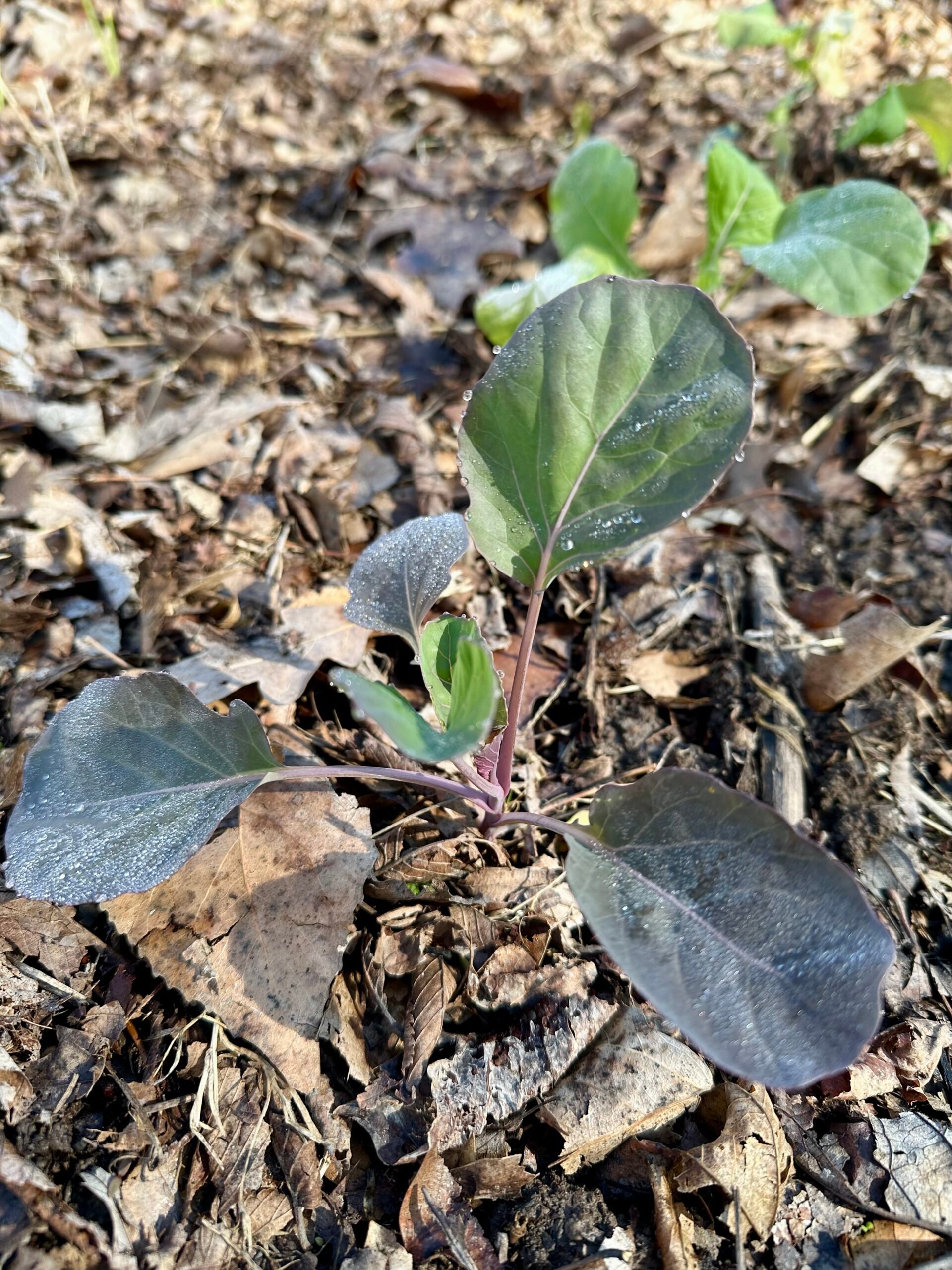
If you want to get a head start on the gardening season, you can start kohlrabi indoors. You can also directly sow kohlrabi seeds.
How to start kohlrabi indoors
- Fill 2-4 inch pots with high quality potting soil.
- Plant your kohlrabi seeds ¼ -½ inch deep, and moisten the soil.
- Place your seedlings under a grow light, or in a sunny greenhouse.
- Kohlrabi seedlings need to be around 600F-750F to germinate, a heat mat is not required.
- After germination, thin to one plant per pot.
- Seedlings can be planted out a little before your last frost date. (For fall planting, plant them a month or two before your first frost).
How to direct sow kohlrabi
- Prepare a seed bed with fluffy soil or compost.
- Plant two kohlrabi seeds every 8-10 inches.
- Keep the seedbed moist until your seeds emerge.
- Thin to one plant every 8-10 inches choosing the healthiest ones.
- Young plants may be susceptible to pests or temperatures below 300F.
Growing Healthy Kohlrabi
Kohlrabi plants need plenty of sun to mature properly. They also benefit from healthy soil and organic fertilizers.
I recommend fertilizing your plants with fish emulsions or compost tea during the growing season. You can also side dress the plants with finished compost.
Keeping your plants watered is important, however you should allow the soil to dry in-between waterings to prevent fungal issues.
Mulching around your kohlrabi plants will prevent weeds and improve the soils water retention. I have used grass clippings, fallen leaves, and compost as mulch.
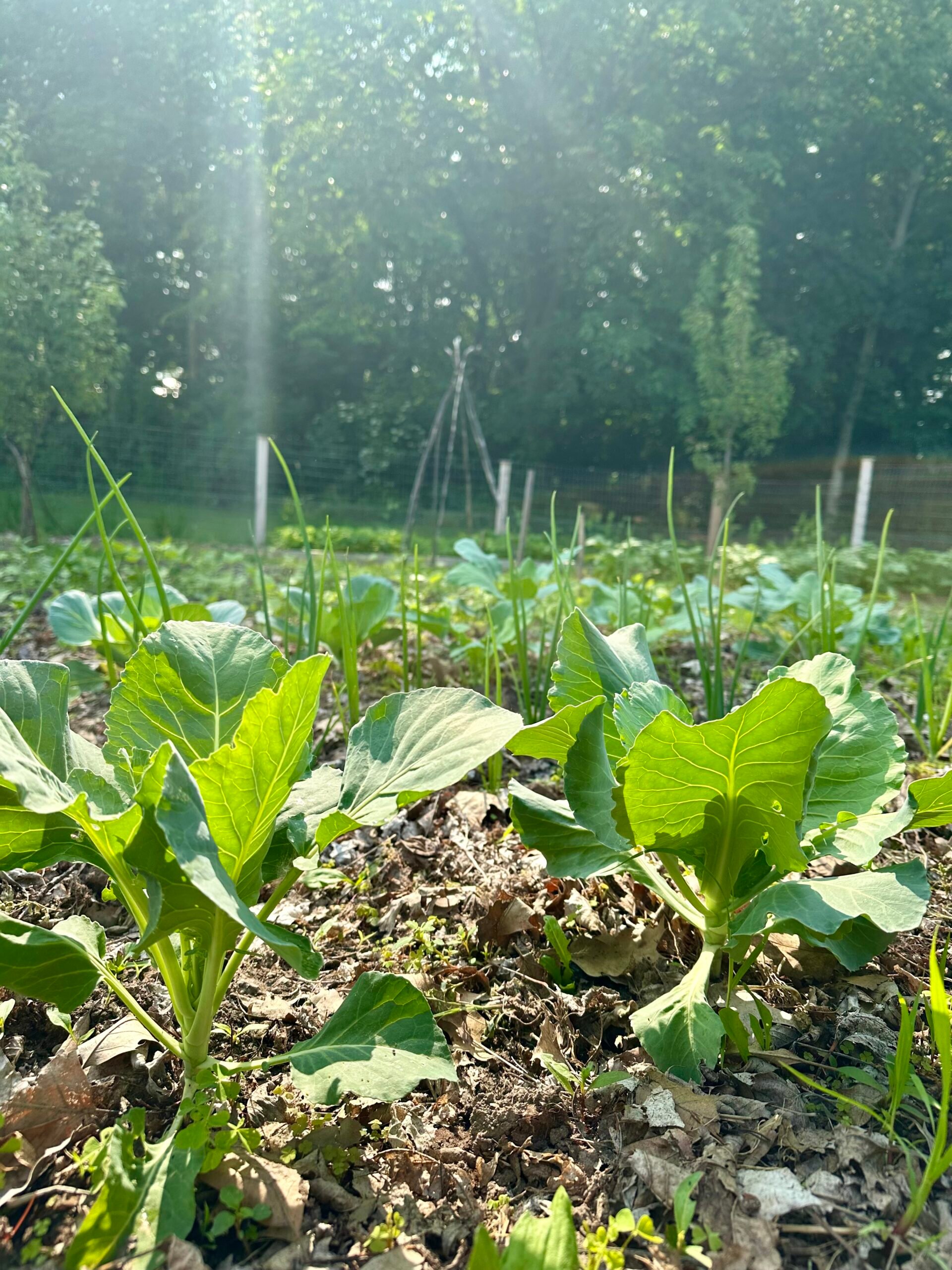
Kohlrabi will first grow tall before the stem starts to "swell".
How to Harvest Kohlrabi
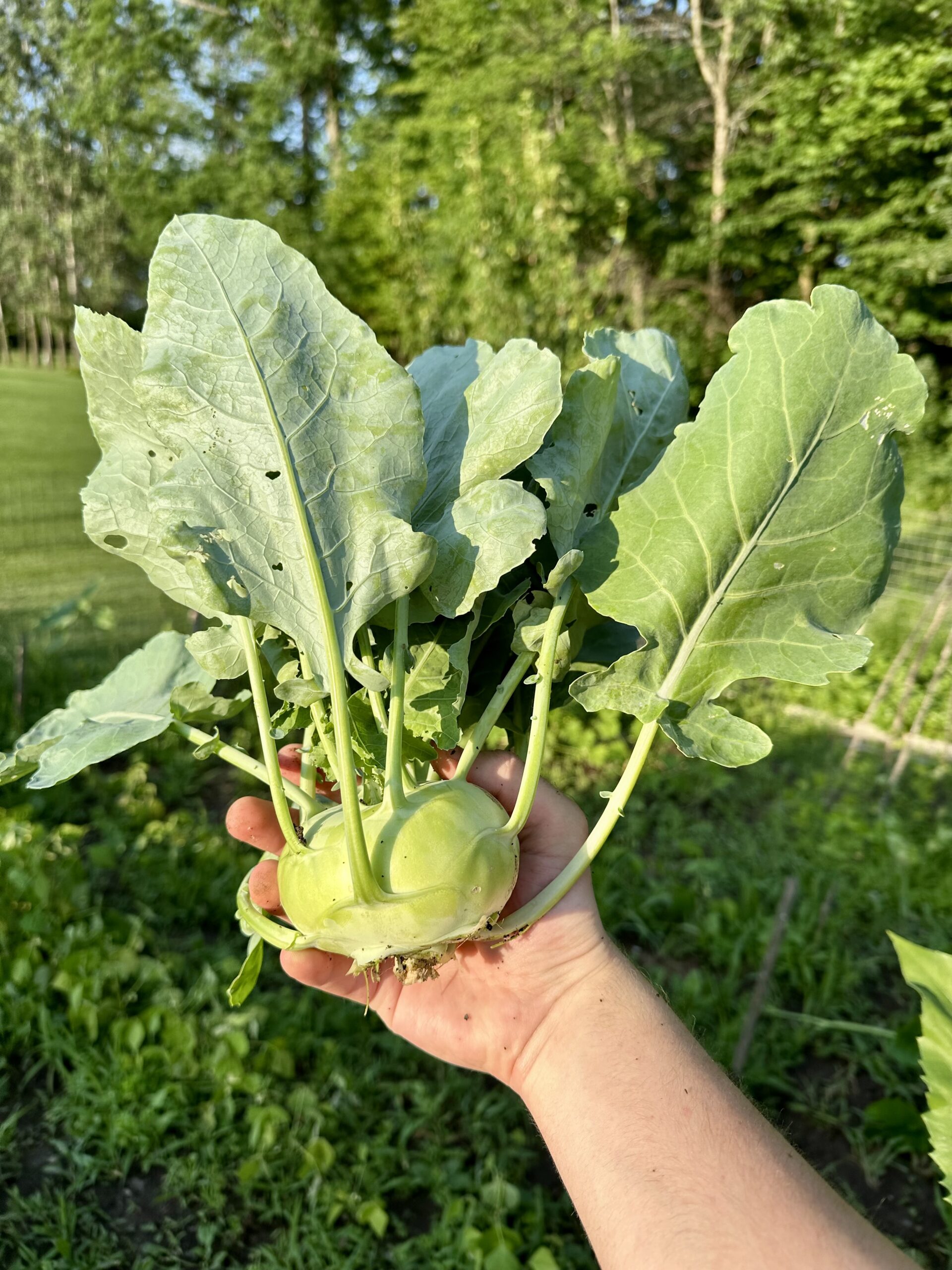
When your kohlrabi stems grow to the size of an apple, they are ready to harvest. Simply cut the plant at its base and take it to your kitchen.
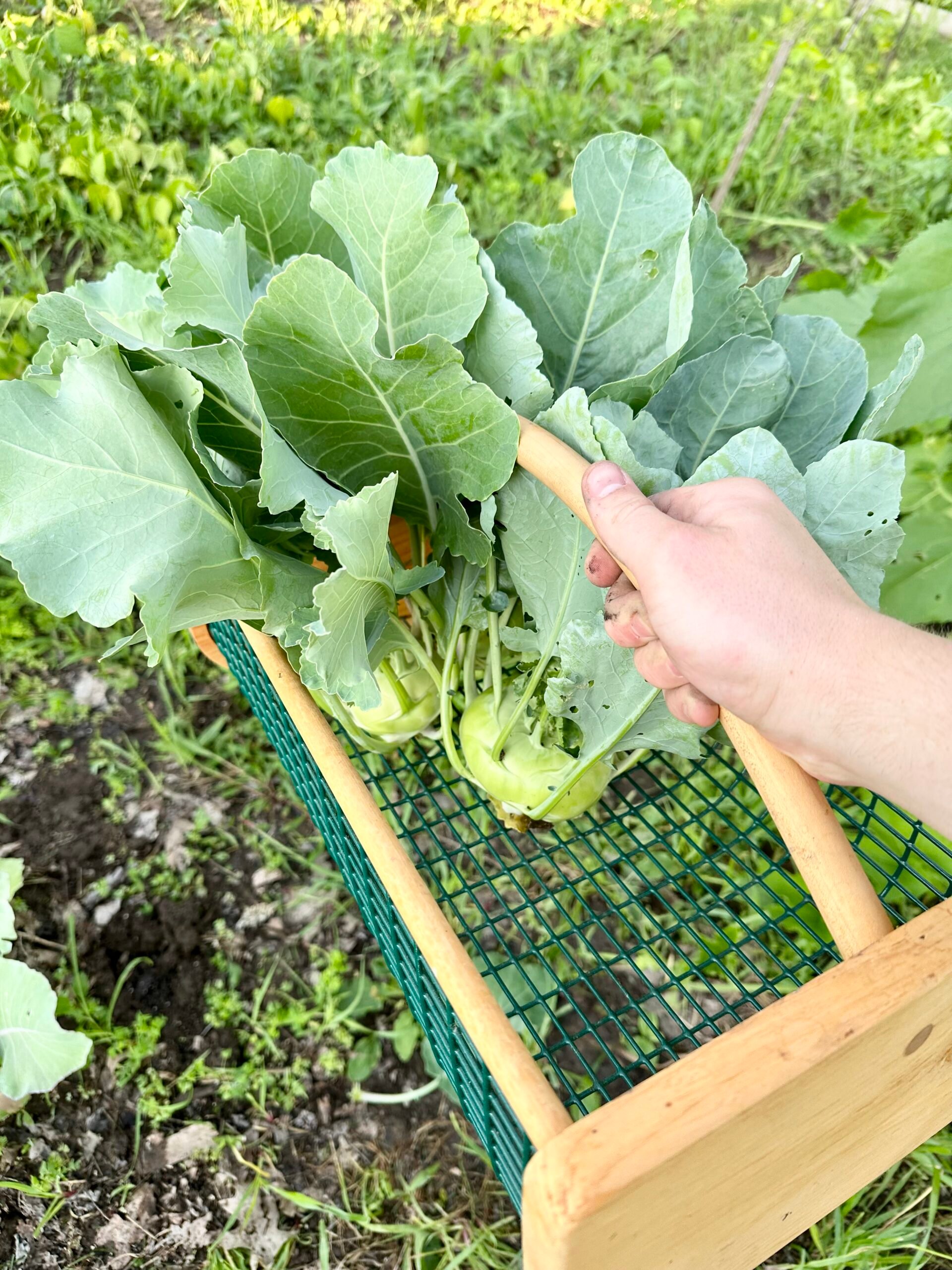
Remove the kohlrabi leaves and stems until you are just left with the round stem. The leaves are edible so you can save them.
The kohlrabi stem is best when peeled, as the outside layer is tough. The whole plant is best used fresh, so get in the kitchen and make one of the recipes below.
Kohlrabi Recipes
Kohlrabi tastes just like a combination of potatoes and cabbage with a little bit of pepper.
- Sauteed Kohlrabi: You can also roast it in the oven.
- Asian Kohlrabi Salad: Make this recipe if you want to eat your kohlrabi raw.
- Kohlrabi With The Greens: A great way to cook the whole plant.
Pin This!
Leave a Reply